.png)

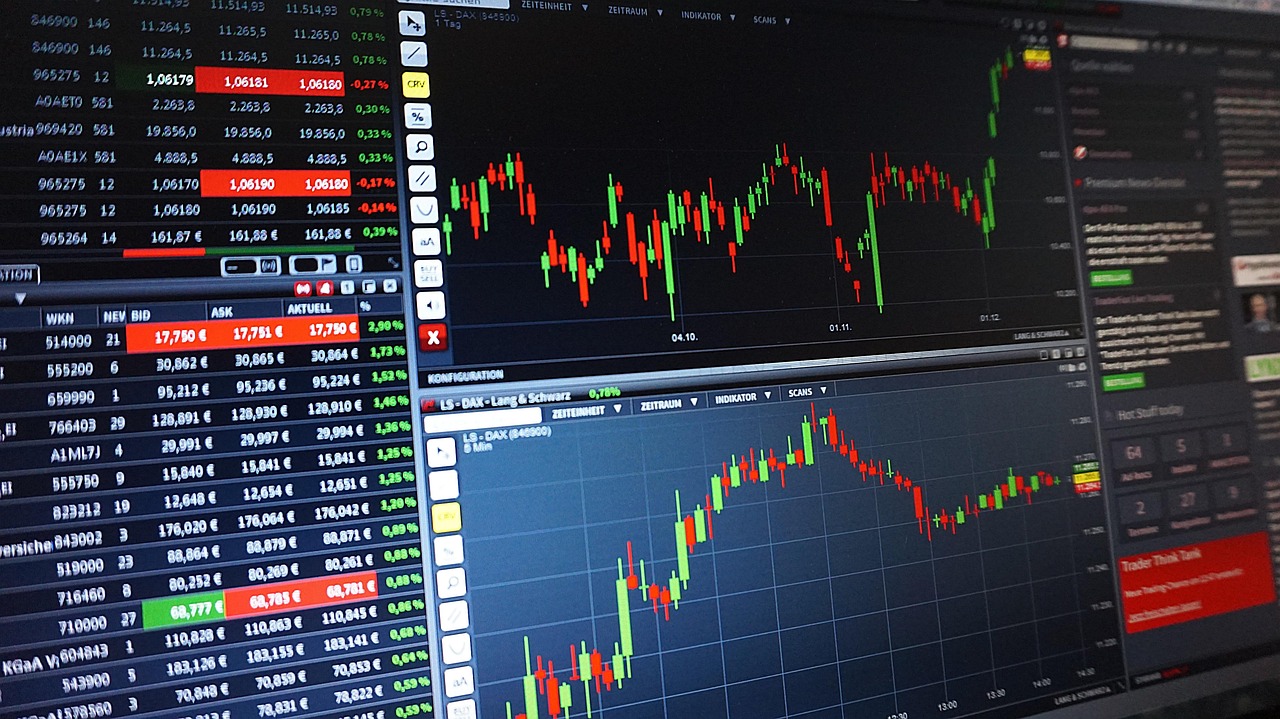
The foreign exchange market also known as Forex or FX is the largest and most liquid financial market in the world. With over $7 trillion traded daily (as of 2025), Forex offers countless opportunities for investors, traders, and institutions to profit from fluctuations in global currency prices.
If you're new to the world of trading, this post will give you some insights into some major things you need to know to get started in Forex what it is, how it works, key terminology, strategies, risks, and how tools like Publ.cc can help streamline your learning and trading journey.
What Is Forex Trading?
Forex trading is the act of buying and selling currencies with the goal of profiting from changes in their exchange rates. Unlike stocks, Forex is traded in currency pairs, where one currency is exchanged for another (e.g., EUR/USD, GBP/JPY).
Here’s an example:
If you believe the euro (EUR) will strengthen against the U.S. dollar (USD), you would buy EUR/USD.
If the exchange rate goes up, you can sell the pair for a profit.
The Forex market operates 24 hours a day, 5 days a week, due to the global nature of trading sessions across major financial hubs London, New York, Tokyo, and Sydney, etc.
Why Trade Forex?
High Liquidity: You can enter and exit positions quickly, even with large volumes.
Accessibility: With a computer and internet connection, anyone can start trading with a small capital.
Leverage: Brokers often offer leverage up to 1:500, allowing small investments to control larger positions (though this increases risk).
Diverse Strategies: Trade long-term trends, short-term news releases, or even use automated bots.
Key Forex Terminology
Understanding the language of Forex is essential. Here are the basics:
Currency Pair: The two currencies being traded (e.g., EUR/USD).
Pip: The smallest price move a currency can make (usually 0.0001).
Lot: The size of a trade. A standard lot is 100,000 units of currency.
Leverage: Borrowing capital to increase the size of your trade.
Margin: The amount of capital required to open a trade.
Spread: The difference between the bid and ask price.
Stop-Loss: A pre-set order to close a trade at a certain loss level.
Take-Profit: A pre-set order to close a trade at a certain profit level.
How Does Forex Trading Work?
Forex trading doesn’t happen on a centralized exchange (like stocks). It’s an over-the-counter (OTC) market facilitated through brokers and banks.
Example Trade:
Let’s say EUR/USD is trading at 1.1000.
You buy one lot (100,000 units) at this price.
If it rises to 1.1050, you earn 50 pips = $500 (on a standard lot).
Popular Forex Pairs
Major Pairs: EUR/USD, USD/JPY, GBP/USD, USD/CHF
Minor Pairs: EUR/GBP, AUD/NZD, GBP/JPY
Exotic Pairs: USD/TRY, USD/ZAR, EUR/SGD
Basic Forex Trading Strategies
Trend Following: Identify and follow long-term price trends.
Scalping: Make many small trades for tiny profits throughout the day.
Swing Trading: Capture price swings over several days or weeks.
News Trading: Trade based on economic events or central bank announcements.
Technical Analysis: Use chart patterns and indicators to predict movement.
Fundamental Analysis: Analyze economic reports, interest rates, and geopolitical factors.
Risks in Forex Trading
Like any financial market, Forex trading involves risks:
Volatility: Currency prices can move sharply.
Leverage Risk: While leverage can magnify gains, it also increases losses.
Overtrading: Frequent trades can lead to high transaction costs and emotional burnout.
Lack of Education: Trading without a solid understanding leads to poor decisions.
Risk management is critical: always use stop-loss orders, never risk more than 1–2% of your capital per trade, and continuously educate yourself.
Forex trading is both exciting and challenging. With the right education, tools, and mindset, it can be a profitable endeavor. Whether you’re looking to day trade or build a long-term strategy, it all starts with understanding the basics, practicing consistently, and learning from your experiences.